
What Masking Cost Me: Burnout, Grief, and Learning to Believe Myself
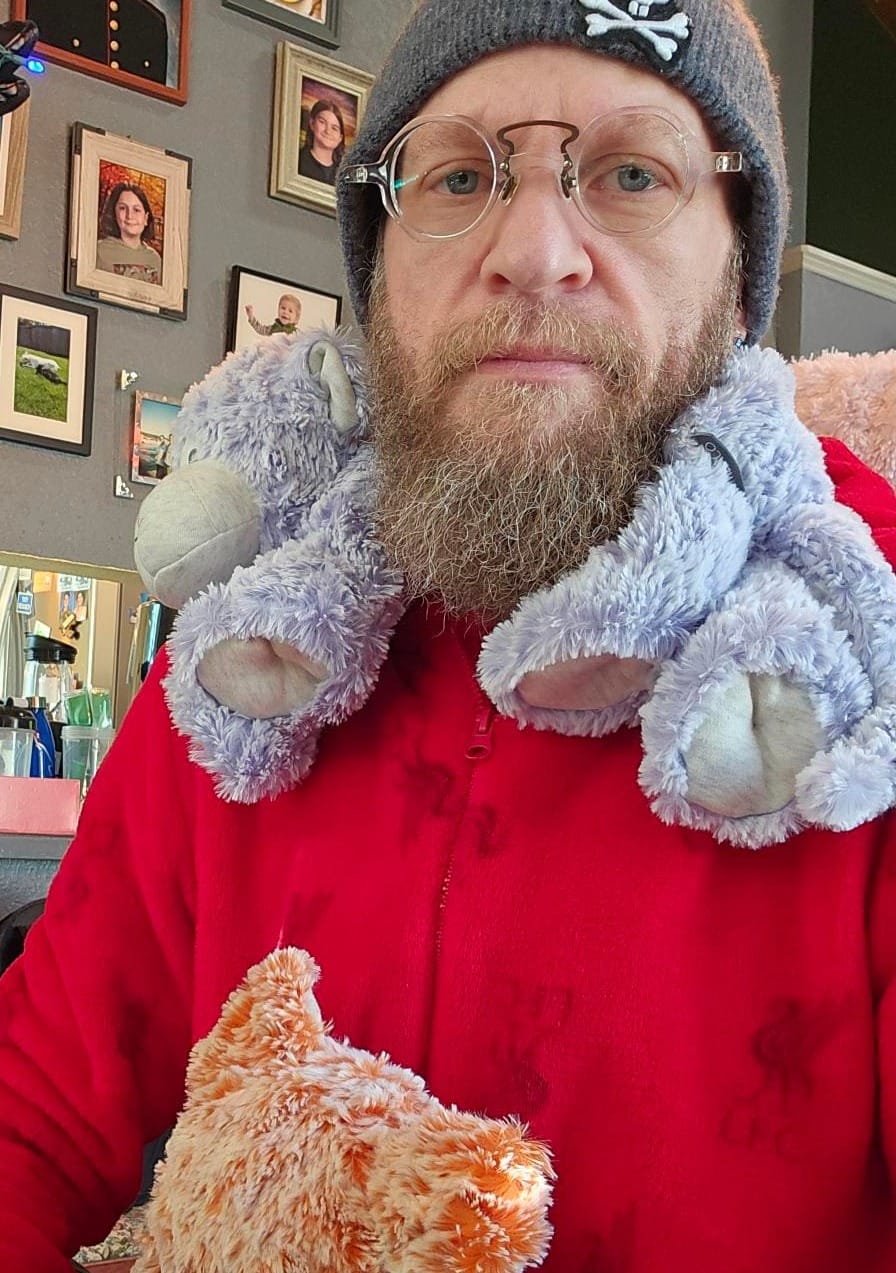
Some mornings I wake up and it feels like gravity has tripled overnight. My skin hurts. My body feels like it's made of concrete. Getting out of bed takes more effort than most people will use all day. And that’s before I’ve even said a word to another human.
This is what burnout feels like for me.
And I’m here because I masked for too long—sometimes without even knowing I was doing it. Forcing myself to write this post today with tears in my eyes...
The Slow Collapse
For years, I showed up in the world wearing a version of myself I thought others could handle. I learned to smile when I was in pain, to keep eye contact when it felt like a laser beam, to tolerate clothing and conversations that made my whole body tense. I got so good at it, I fooled everyone. Sometimes even myself.
But that kind of constant performance has a cost. And I’m paying it now.
I’m in burnout. Deeply. Painfully. Physically.
And it’s not because I’m weak or lazy or unmotivated. It’s because I’ve spent years doing the equivalent of holding in my breath. And now my lungs are begging for air.
Grieving What I Never Got to Be (and Who I Had to Be)
I’m grieving. But not just one thing—many things, layered and tangled like threads I keep pulling, hoping they’ll lead me somewhere soft.
I grieve the version of me who never got to exist.
The child who wasn’t called “weird,” but understood.
The teen who wasn’t told to “try harder,” but asked what they needed.
The adult I might have become if I’d known I was autistic all along.
I grieve the opportunities I didn’t take because I thought I wasn’t capable—when really, I was just overwhelmed, masking, or terrified of being seen too clearly.
I grieve how long I blamed myself for things that were never my fault.
But I also grieve the mask itself.
Because even though it hurt me, it was mine.
It helped me survive.
It got me through job interviews, social situations, classrooms, conflict.
It was a fragile kind of armor—and giving it up feels like walking into the world naked, asking it to be kind.
And then there’s the grief that sneaks up quietly—the grief for how I treated myself.
The pushing. The pretending.
The silencing of my own body and mind in order to keep up, to not fall apart, to be palatable.
I said things to myself I would never say to anyone else.
I ignored pain that should have been heard.
I forced myself to “just get through it” so many times, I forgot what thriving even looked like.
I try not to live in the what-ifs. But they come anyway.
What if I’d been seen earlier?
What if people had treated me with gentleness instead of suspicion?
What if I hadn’t spent so much time apologizing for who I was?
The answers don’t matter, maybe. But the ache is real.
And maybe—just maybe—grief is the bridge between the life I survived and the life I’m trying to build now.
And the only way across is one soft, shaky step at a time.
Not Every Day Is a Breakthrough
I wish I could say that unmasking has been a clean, upward path. That every day I feel lighter, freer, better. But I can’t. Some days, I feel like I’m unraveling more than I’m healing. Some days—like today—I feel like I’ve been run over by something invisible and am expected to keep going anyway.
Unmasking will not fix everything. It just makes me more aware of how much I’ve been carrying.
But maybe that awareness is where healing begins.
If You’re Here Too
If you’re reading this in bed, or curled up on the couch trying to move through a body that refuses to cooperate—I see you. If you’re grieving something you can’t quite name, doubting yourself even as you try to unlearn the lies—you’re not alone.
Unmasking is not the end of the story. It’s the start of finally telling the truth.
Even if that truth hurts.
Even if it comes out slowly.
Even if some days, all you can do is breathe and wait.
That counts, too.
💬 Reflection
What has masking cost you? And what would it mean to begin believing yourself again?
If you found this post helpful, you might also enjoy:
- The Quiet Work of Coming Home to Yourself
- When the Mask Comes Off: Loss, Doubt, and the Cost of Being Real
- Unmasking: What It Means (and Doesn’t Mean) for Autistic Adults
Thank you for being here. If this post resonated with you, feel free to share it, or just know you’re not alone on this journey. We’re all learning to come home to ourselves—one soft step at a time.
Member discussion